ImpactResistant Shoes: Safety, Protection, and Industrial Use Guide
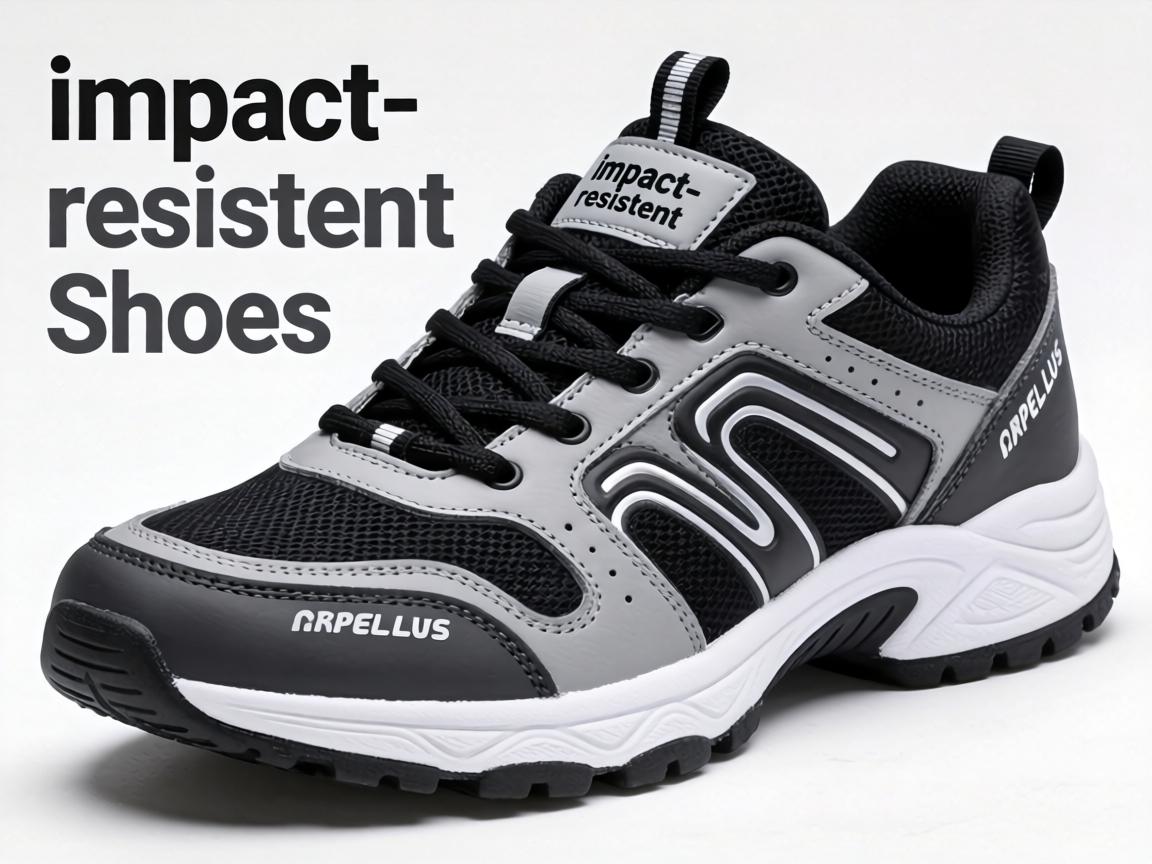
Impactresistant shoes are more than just a fashion statement—they are a lifeline for workers in highrisk environments. Whether you’re a construction worker, a factory employee, or someone in the oil and gas industry, the right pair of impactresistant shoes can mean the difference between a minor inconvenience and a lifechanging injury. These shoes are engineered to protect your feet from heavy objects, sharp tools, and other hazards that are common in industrial settings, making them an essential piece of personal protective equipment (PPE).
The importance of impactresistant shoes cannot be overstated. According to the U.S. Bureau of Labor Statistics, over 100,000 injuries occur annually in the construction industry due to footrelated incidents. Many of these injuries result from falling objects, which can cause severe trauma, even fractures. Impactresistant shoes are designed with reinforced toe caps and impactabsorbing soles to mitigate such risks. For example, steeltoe boots with a rating of 75 Newtonmeters (Nm) can withstand impacts from objects weighing up to 200 pounds falling from a height of 20 inches. This level of protection is critical in environments where heavy machinery or materials are in constant use.
Beyond safety, these shoes also offer comfort and durability. Unlike traditional work boots, modern impactresistant shoes are made with advanced materials like polyurethane or composite toe caps that are lighter and more flexible. This allows workers to move freely while still ensuring protection. Moreover, the soles are often designed with slipresistant and punctureresistant features, providing a comprehensive layer of defense against multiple types of hazards.
Philosophically speaking, the use of impactresistant shoes reflects a broader principle: the value of preparation in the face of uncertainty. In the industrial world, where accidents can happen at any moment, investing in proper gear is not just about compliance—it’s about respecting your own life and the lives of others. It’s a small step that can lead to a significant outcome.
For those in the field, choosing the right impactresistant shoes is not a decision to be made lightly. Look for certifications such as ASTM F2413 or OSHA standards to ensure that the footwear meets the necessary safety requirements. With the right pair, you can work with confidence, knowing that you’re taking every precaution necessary to stay safe.