Ethnic Shoes: Discover Unique Styles and Cultural Heritage Footwear
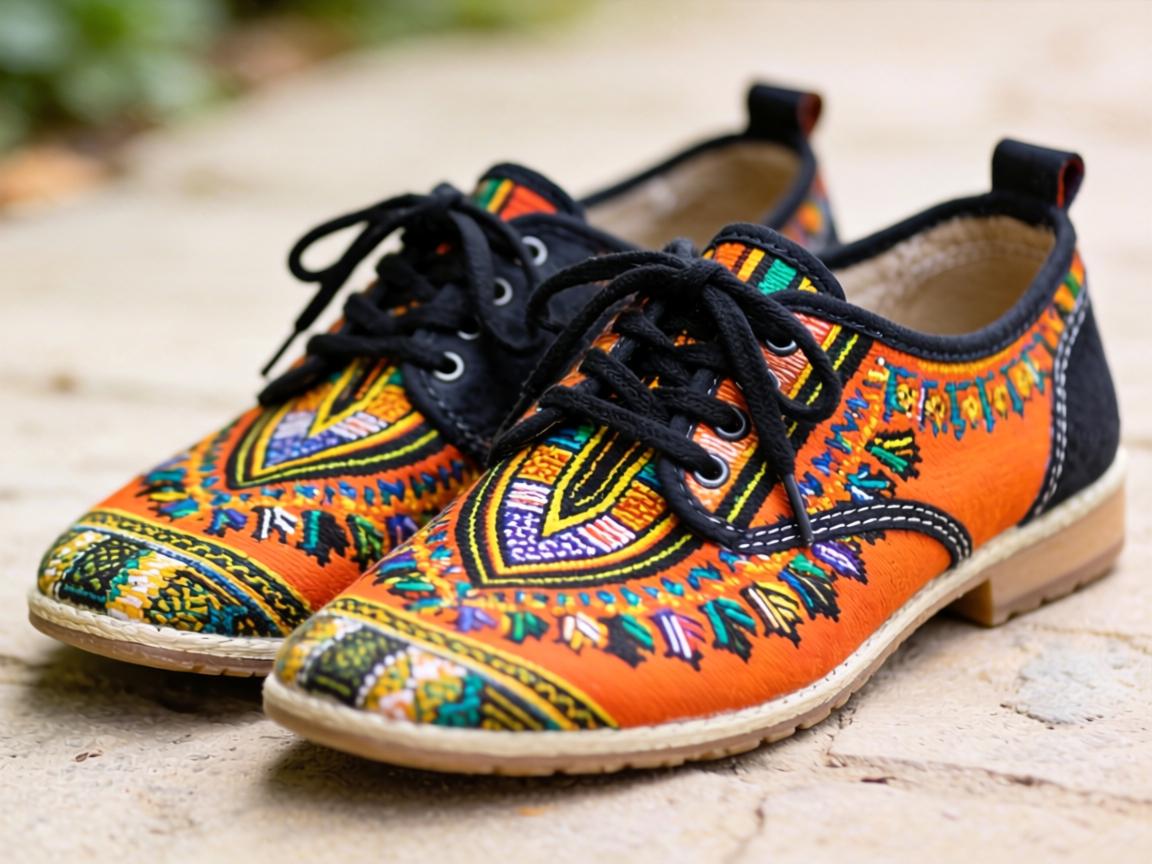
In an era where fashion often leans toward the globalized and the mainstream, ethnic shoes offer a compelling counterpoint—a celebration of the rich and diverse cultural heritages that span the globe. These are not just footwear; they are wearable art, steeped in tradition, symbolism, and the stories of the communities that create them. From the intricate embroidery of Maasai warriors in East Africa to the vibrant patterns of traditional Japanese geta sandals, ethnic shoes serve as a visual narrative of history, identity, and craftsmanship.
Each ethnic shoe carries with it the essence of its culture, often reflecting the values, beliefs, and lifestyles of the people who wear them. In many indigenous communities, the design of shoes is not arbitrary but deeply symbolic. For instance, the Navajo people of North America incorporate natural materials and sacred motifs into their moccasins, believing that such elements bring harmony and spiritual protection. Similarly, in the Andes, the traditional chumpi or huari shoes are not only practical but also represent a connection to the land and ancestors.
The artistry behind ethnic shoes is often passed down through generations, preserving not just the techniques but also the cultural narratives. Many artisans use handcrafted methods, blending ancient traditions with contemporary aesthetics. This practice has gained renewed attention in recent years, as more people seek to embrace authenticity and sustainability in their fashion choices. Ethnic shoes, with their unique designs and ecofriendly materials, have become a symbol of ethical fashion.
Beyond their aesthetic appeal, these shoes also play a role in cultural preservation. As globalization accelerates, many traditional crafts are at risk of fading into obscurity. However, the growing interest in ethnic footwear has provided a platform for these cultures to share their heritage with a wider audience. Whether worn for cultural events, everyday life, or as a statement of pride, ethnic shoes are more than just an accessory—they are a bridge between past and present, tradition and modernity.