Cultural Shoes: Explore the Rich Heritage and Style of Traditional Footwear
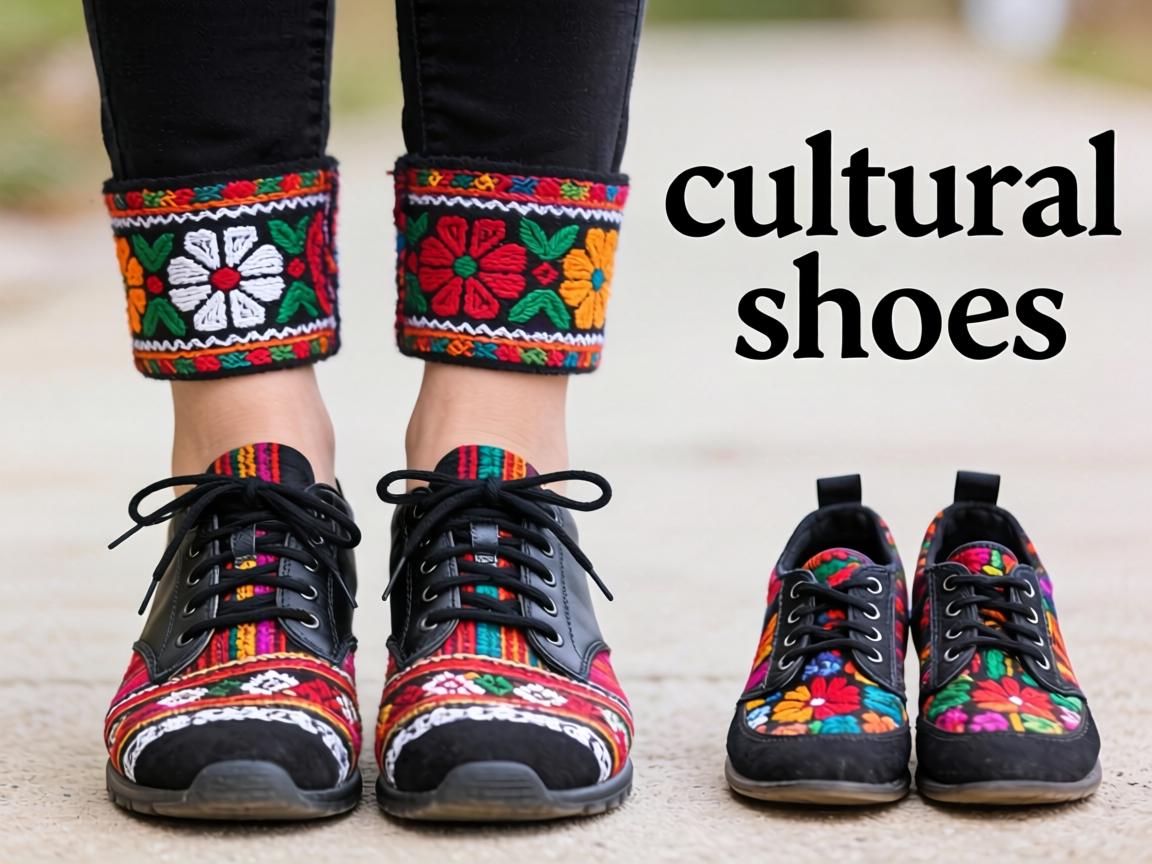
Cultural shoes are more than just footwear—they are a reflection of history, identity, and tradition. As we step into different regions of the world, the shoes we wear often tell a story of where we come from, how we live, and what we value. From the intricate embroidery of Chinese cloth shoes to the sturdy boots of Indigenous North American tribes, traditional footwear carries the weight of cultural heritage and the essence of a people’s way of life. In today’s fastpaced, globalized world, where fashion trends change with the seasons, cultural shoes remind us of the importance of preserving our roots and the stories behind every stitch.
Take, for example, the Japanese geta, a wooden sandal worn for centuries. These shoes are not only functional but also deeply symbolic, often used in ceremonies and rituals. According to a 2021 survey by the Japan Footwear Association, over 60% of Japanese people still wear geta during festivals, showing that traditional footwear remains an integral part of cultural expression. Similarly, in India, the jutti, a handcrafted shoe from the northern regions, is not just an item of clothing but a symbol of regional artistry and craftsmanship. Juttis have been passed down through generations, with artisans in cities like Lahore and Jaipur dedicating their lives to perfecting this intricate craft.
In many African communities, the use of traditional sandals, such as the Kente cloth shoes of Ghana or the Maasai beadwork sandals, is a way to honor one’s ancestry and social status. These shoes are often handmade, using natural materials and passed down as heirlooms. In fact, the Maasai people still use handwoven sandals made from grass and leather, demonstrating a deep connection to their environment and cultural practices.
What makes cultural shoes unique is not just their design, but the meaning they hold. Each pair tells a story of its maker, its wearer, and its place in history. In a world where massproduced items dominate, cultural shoes offer a refreshing alternative that connects us to our past and encourages us to appreciate the value of handmade, meaningful objects. They remind us that style is not just about appearance, but also about identity, tradition, and respect for cultural diversity.