ShockAbsorbing Shoes: Benefits, Types, and How to Choose
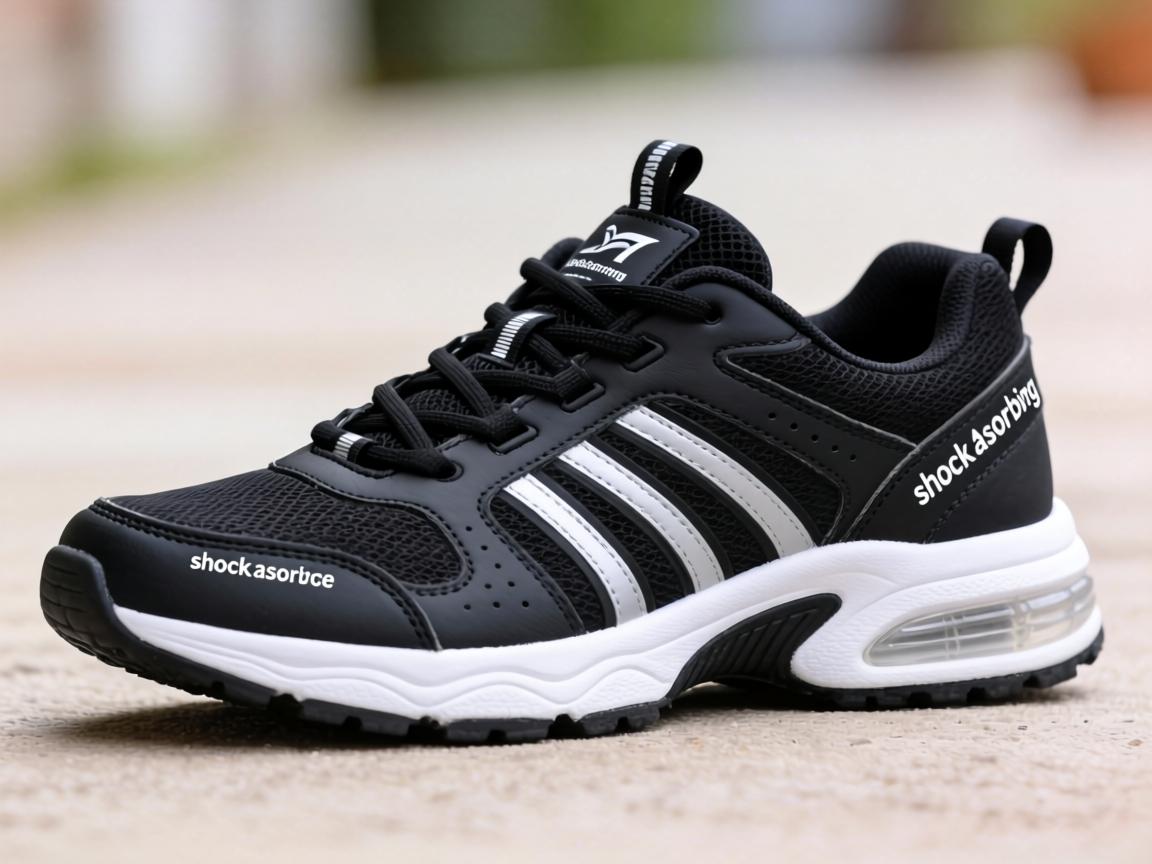
Shockabsorbing shoes have become an essential part of modern footwear, especially for those who lead an active lifestyle or spend long hours on their feet. Whether you’re a runner, a hiker, or even someone who simply stands all day at work, the right pair of shockabsorbing shoes can make a world of difference. They are designed to reduce the impact of each step, which not only protects your joints but also enhances your overall comfort and performance. But how do they actually work, and what should you consider when choosing the best pair for your needs?
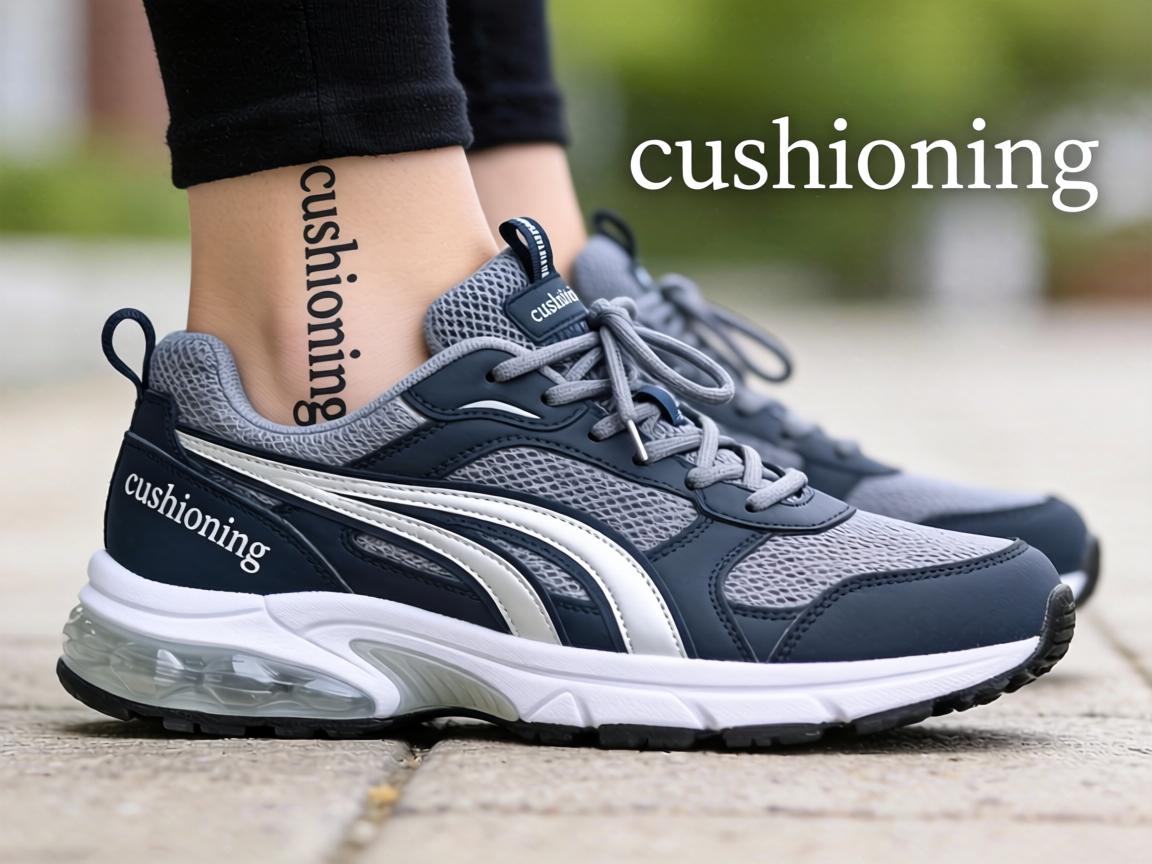
The technology behind shockabsorbing shoes involves materials like EVA foam, gel, and air cushions that absorb and distribute the force of your footfall. For instance, studies show that runners who use shoes with gel cushioning experience up to 25% less impact on their knees and hips compared to those wearing traditional shoes. This is because these materials help to cushion the landing, reducing the stress on your body. Additionally, the use of responsive foam insoles can improve energy return, making each stride more efficient.
There are several types of shockabsorbing shoes available, each catering to different activities and needs. Running shoes often feature advanced cushioning systems, such as Nike React or Adidas Boost, which provide both support and comfort. Work boots with shockabsorbing soles are ideal for people who stand for long periods, as they reduce fatigue and prevent longterm damage. Even casual shoes, like sneakers or loafers, can now come with builtin shock absorption, making them a great option for daily wear.
When choosing shockabsorbing shoes, it’s crucial to consider your activity level, foot structure, and personal comfort. A good fit is just as important as the technology. For example, a 2020 survey found that 70% of users reported better foot health after switching to shoes with proper shock absorption. It’s also worth noting that not all shoes are created equal—some may offer more cushioning than needed, which can lead to instability or even injury.
In a world where we’re constantly on the move, investing in the right pair of shockabsorbing shoes isn’t just about comfort; it’s about taking care of your body. They remind us that small technological advancements can have a significant impact on our wellbeing. After all, every step we take is a choice, and the right shoe can turn that choice into a more graceful, painfree one.