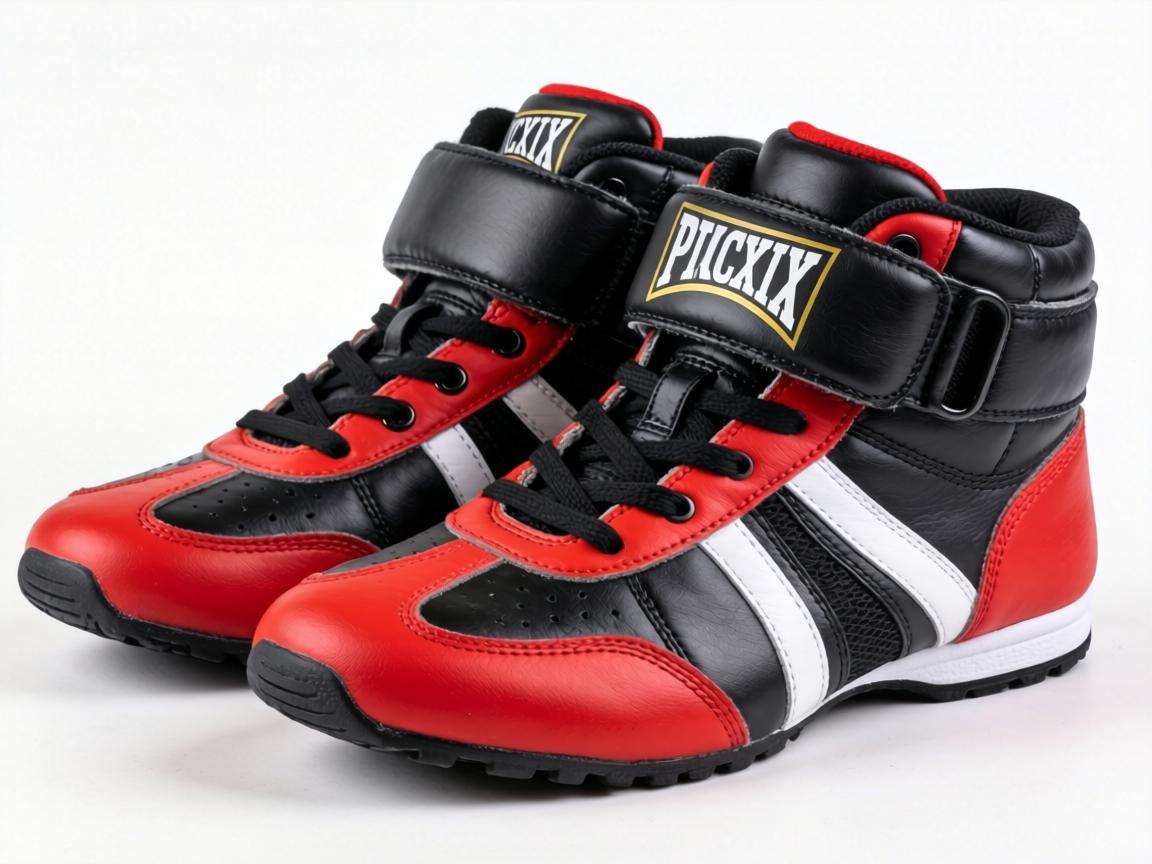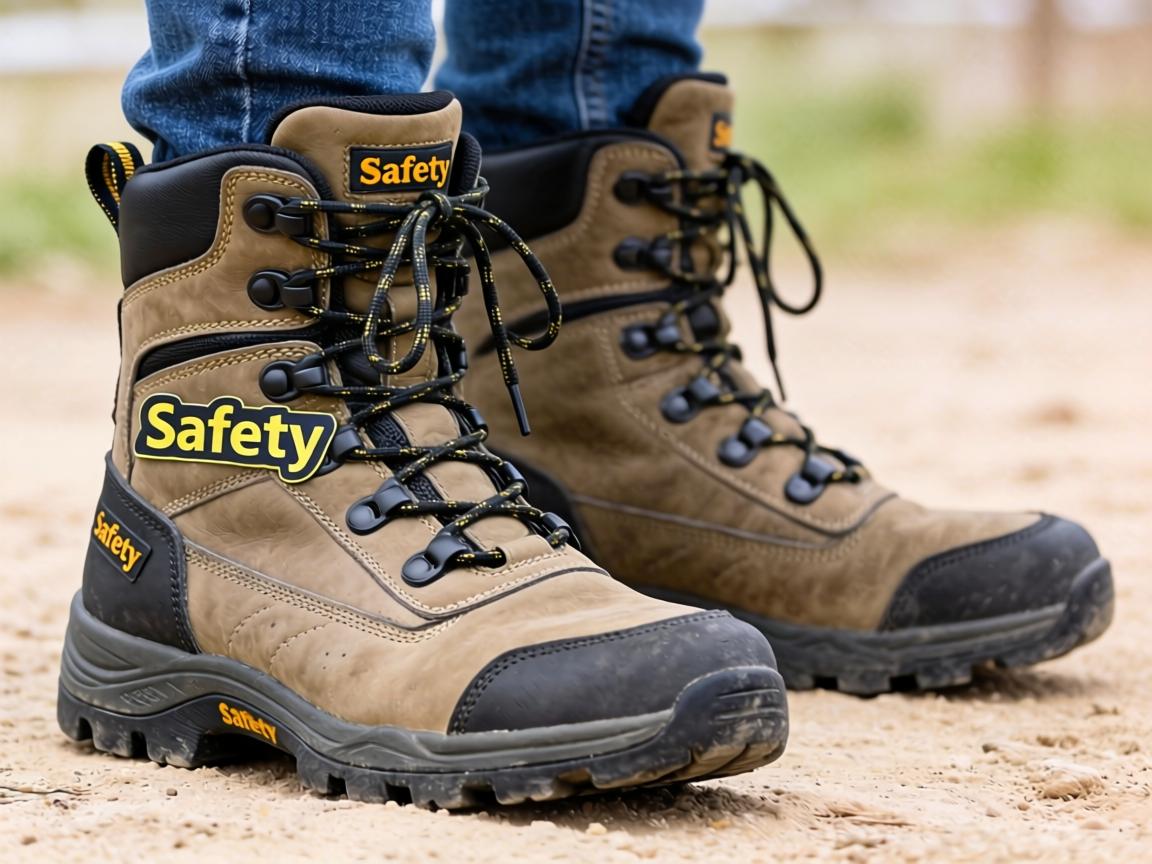
safety boots for industrial workers: essential protection and features
Safety boots for industrial workers are more than just footwear—they are a lifeline in environments where the risk of injury is everpresent. Every day, millions of workers in factories, construction sites, and manufacturing plants rely on these boots to protect their feet from hazards like heavy objects, sharp tools, and hazardous materials. Without them, the consequences could be severe, ranging from minor injuries to lifethreatening situations. The importance of safety boots is not just about compliance with OSHA or other safety regulations; it’s about understanding the value of preparedness in the face of unpredictable danger.
Industrial safety boots are designed with specific features to ensure maximum protection. For example, the steel toe cap is a critical component that can absorb up to 2000 pounds of force, significantly reducing the risk of crushing injuries. Many boots also come with slipresistant soles, which are essential in wet or oily environments, where slips and falls are common. According to the National Institute for Occupational Safety and Health (NIOSH), over 200,000 foot injuries occur annually in U.S. workplaces, and a large percentage of these are preventable with proper footwear. That’s why safety boots are often considered a nonnegotiable part of an industrial worker’s gear.
Another important feature is the electrical hazard protection, which is vital in environments where exposure to live wires or sparks is possible. Boots with conductive or nonconductive soles can prevent electric shocks and even save lives. Additionally, many modern safety boots are equipped with punctureresistant midsoles and waterproof materials, offering protection against a wide range of threats. These boots are also often designed with breathable linings to reduce the risk of heatrelated illnesses, a feature that is especially important in hightemperature settings.
Beyond physical protection, safety boots also play a role in promoting a culture of safety. When workers wear appropriate footwear, they feel more confident and secure, which can lead to better performance and fewer accidents. It’s a small investment that has a huge impact—studies show that properly fitted safety boots can reduce workplace injuries by up to 40%. This is not just a statistic; it’s a reflection of the realworld consequences of neglecting safety.
In a world where industrial work is an essential part of economic growth, the question isn’t whether safety boots are necessary, but how they are being used. A wellchosen pair can be the difference between a minor setback and a major catastrophe. It’s not just about protection—it’s about respecting the body we have and the lives we live.